The honest answer up front: there is no flat menu. Anyone who quotes your driveway sight-unseen at a fixed price is either overcharging you to be safe or planning to renegotiate on your doorstep. Every legitimate pressure washing quote in Los Angeles is built from the same four factors — and all four are visible in a couple of phone photos, which is why we price from pictures instead of sales visits.
The four factors on every quote
Square footage. The biggest driver, and the most obvious one. A single-car driveway apron is a fundamentally different job than a four-car spread with a walkway wrapped around the garden. More surface means more pretreatment, more passes with the surface cleaner, and more rinse time.
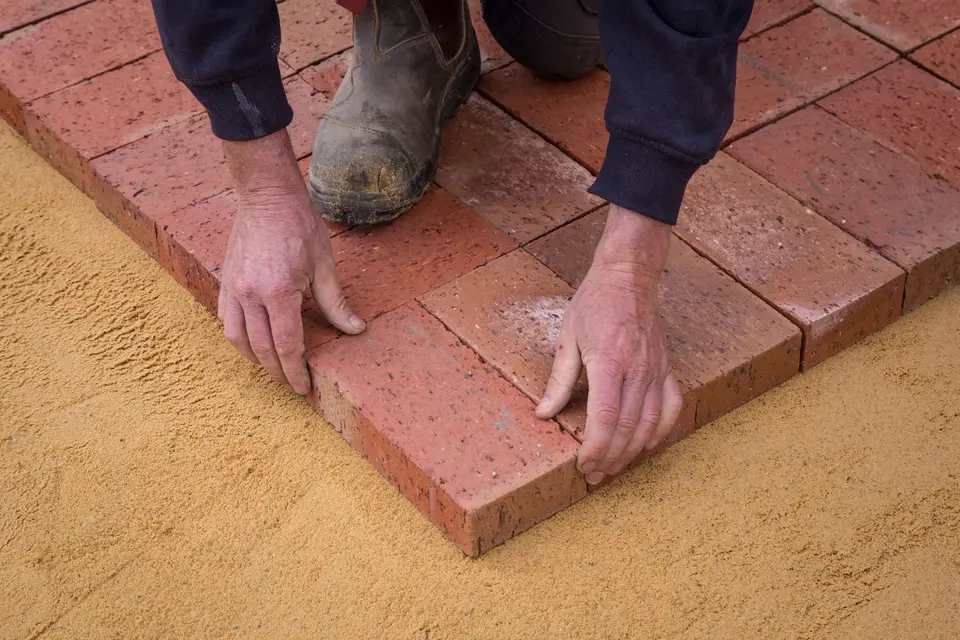
Surface type. Concrete, pavers, asphalt, stucco, wood, tile, and metal each need their own method. Some of that is equipment — a surface cleaner for flatwork, low-pressure soft-wash tips for anything painted or coated — and some of it is chemistry. Paver joints need a wash that preserves the sand between stones. Asphalt needs degreasers that won’t soften it. Stucco can’t take high pressure at all. The surface decides the method, and the method affects the time.
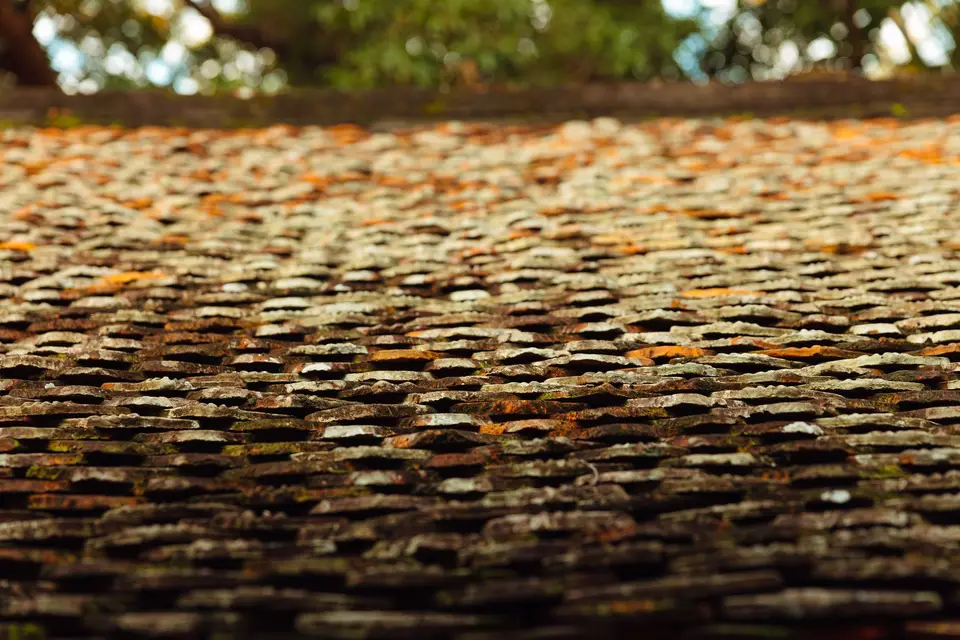
Soil level. A light seasonal rinse and a deep restoration are different jobs on the same driveway. Years-old oil shadows need degreaser dwell time and sometimes repeat treatment; a roof with heavy algae growth needs longer detergent contact than one with early streaks. This is the factor people underestimate most — grime that took five years to build doesn’t always leave in one pass.
Access. Second stories add ladder time. Steep roofs change the safety setup. Tight lots, shared driveways, and gated properties all affect how the crew stages the work. None of it is a problem — it just belongs in the quote rather than as a surprise.
How each surface tends to be priced
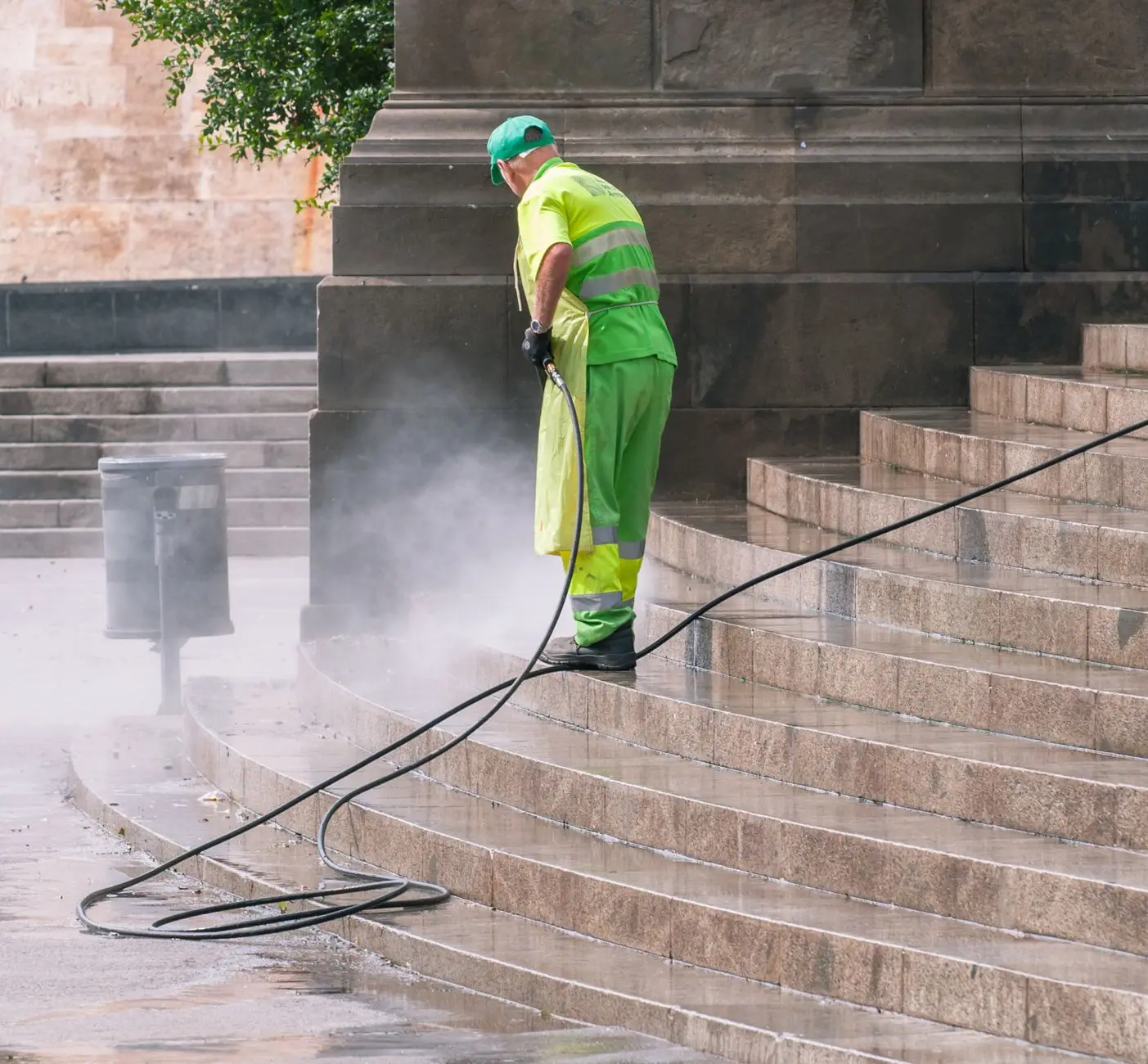
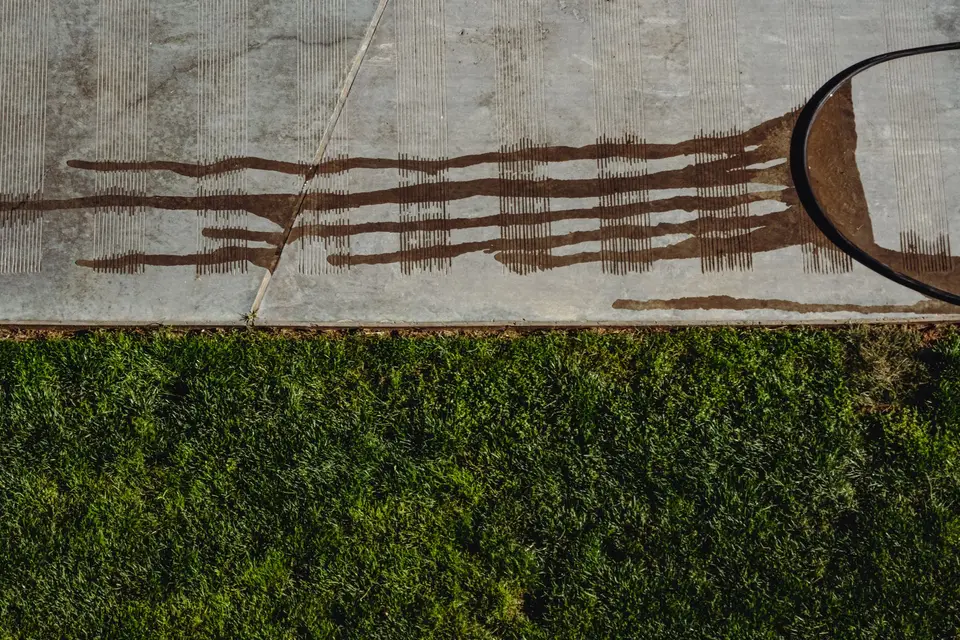
Driveways and flatwork price from square footage and stain severity. The stain matters as much as the size: lifting fresh dirt is quick, while baked-in hot-tire marks and rust need targeted chemistry.
House washing prices from home size and story height. Single-story homes are the simplest; two-story or steep-access homes add equipment time. Heavy mildew or algae on the walls is a stain-treatment add-on that’s easy to spot in photos.
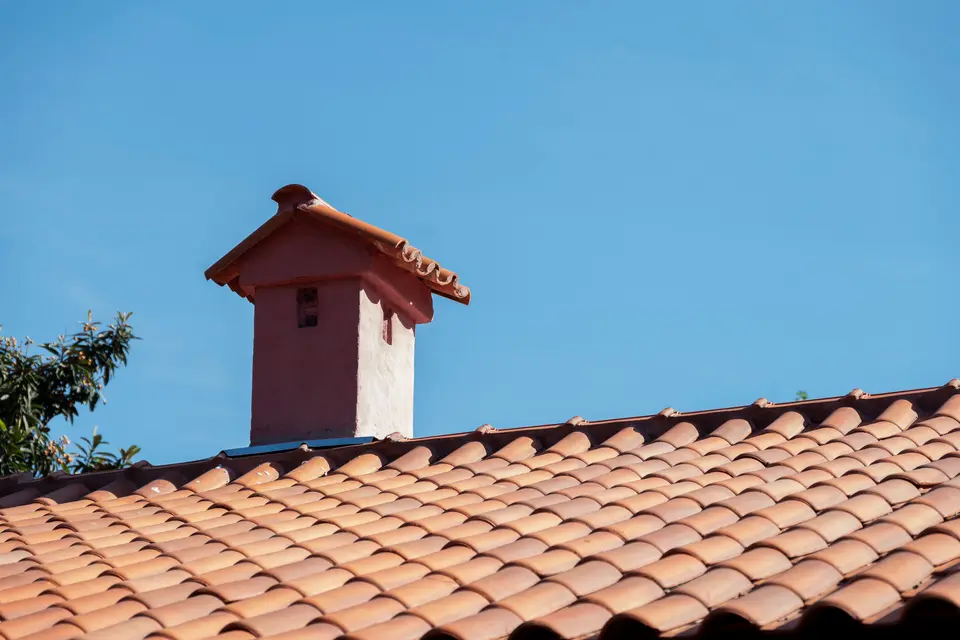
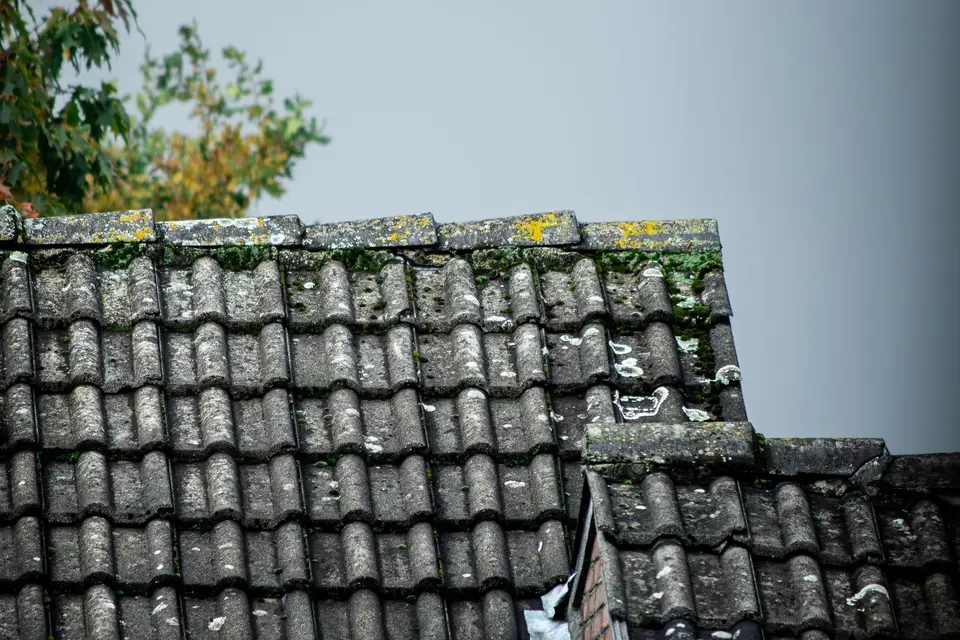
Roof cleaning prices from roof size, material, and growth level. Tile, shingle, and metal each get manufacturer-approved soft-wash methods — the cost is in the careful chemistry and dwell time, not brute pressure.
Gutters price from roofline length, height, and how packed the runs are.
Commercial work — storefronts, sidewalks, lots, and garages — usually moves to a per-visit price on a quarterly or biannual plan, which keeps each visit predictable and the property consistently presentable.
Why photo quotes beat site visits
A quote built from photos does two things a doorstep estimate can’t. First, it respects your week — no waiting on a sales visit for a number you could have had within the hour. Second, it removes the upsell theater: the photos show the square footage, the surface, the soil level, and the access, so the number reflects the job rather than the salesperson’s read of you. The price gets confirmed against the actual surface before any work starts, and if conditions differ materially from the photos, that conversation happens before the wash, not after.
What makes a quote go up — and what keeps it down
Prices climb with severe staining (repeat treatments), difficult access (height, slope, gates), and add-ons like paver sealing or polymeric sand top-ups. They stay down when you:
- Treat stains early. Oil that gets cleaned this season lifts far easier than oil that ages three summers. Early treatment is the single cheapest thing you can do.
- Bundle surfaces. House plus driveway, or roof plus gutters, in one visit shares setup time — one crew mobilization instead of two.
- Get on a schedule. For coastal homes and commercial frontage, a regular cadence keeps every individual visit in light-rinse territory instead of restoration territory.
Red flags in a cheap quote
A suspiciously low number usually hides one of three things: no license or insurance (ask — reputable outfits carry both and will show certificates on request), a bleach-heavy blast that trades your landscaping and paint for speed, or a “starting price” designed to grow once the crew arrives. A real quote names the factors it’s built on. If it can’t, it isn’t a quote — it’s bait.
Coastal vs. Valley: location changes the job
The same house gets a different quote in Santa Monica than in Northridge — not because of zip-code pricing, but because the grime is different. Coastal properties fight salt film and mildew that build fast enough to justify washing twice a year; the smart money there is on lighter, more frequent washes. Valley properties fight sun: hot-tire marks baked into driveways and dust films over stucco, which shifts the work toward degreaser dwell time and pretreatment. Hillside homes in places like Studio City add access — story height and slope honestly belong in the quote, and both are visible in one wide photo. That’s also why the city pages talk about different services in different neighborhoods: the county’s geography genuinely changes what your surfaces need.
One-time deep clean vs. maintenance pricing
The most expensive wash you can buy is the one that happens once a decade. Restoration-level work — years of oil, heavy algae, packed gutters — costs restoration prices because it takes restoration effort. The alternative pricing model is maintenance: once a surface has been reset, keeping it clean is a lighter job, which is why commercial clients on quarterly or biannual plans pay a predictable per-visit rate instead of periodic restoration bills. The same logic works for homes: an annual house wash keeps every future wash in light-rinse territory.
How to photograph your project for an accurate quote
Since the photos ARE the estimate, thirty seconds of good photography gets you a more accurate number:
- One wide shot that shows the whole surface — the full driveway, the whole face of the house, the complete roofline. This is the square-footage and access shot.
- Two or three close-ups of the worst spots: the oil stain, the streaked wall, the mossy roof corner. This is the soil-level shot.
- Include the edges — where driveway meets garden, where walls meet landscaping. Protection work is part of the job.
- Shoot in daylight if you can. Stains read truer.
Send those with the address and the quote that comes back is priced against reality — no padding for the unknown.
What about renting a machine instead?
The DIY math looks tempting until you price it honestly: a day’s rental for a consumer-grade machine, the surface cleaner attachment that actually prevents striping, degreaser and detergents bought retail, water, and a full Saturday of labor. What the rental math never includes is the judgment — which PSI for which surface, how long chemistry needs to dwell, when a stain needs a second treatment versus more force. On dense flatwork a careful DIY pass can be fine; on stucco, paint, or any roof, the damage a rental wand can do in ten minutes costs more than a decade of professional washes. Rent for the patio furniture; hire for the building.
Quick answers
Is the quote really free? Yes — free, no obligation, and no salesperson visit attached to it.
Does a bigger stain always mean a bigger bill? Bigger, older stains can need repeat treatments, which affects price honestly — but plenty of dramatic-looking grime lifts in one pretreated pass. The photos decide, not the drama.
Do you price differently for commercial? Same four factors; the difference is that commercial work usually moves to a per-visit plan rate after the first cleaning.
Get your actual number
Generic ranges only get you so far, because your driveway isn’t generic. Snap two or three photos of the surface, send them with the address, and you’ll have a real number — most quotes come back within an hour during business hours, with same-week scheduling once you approve. Send your photos here, or read the service guides for driveways, house washing, and roofs first.