“Pressure washing” is the name everyone uses, but half the jobs on a Los Angeles property shouldn’t involve much pressure at all. The industry actually runs on two different methods — and knowing which surface gets which is the difference between a wash that restores your property and one that quietly damages it.
The two methods, plainly
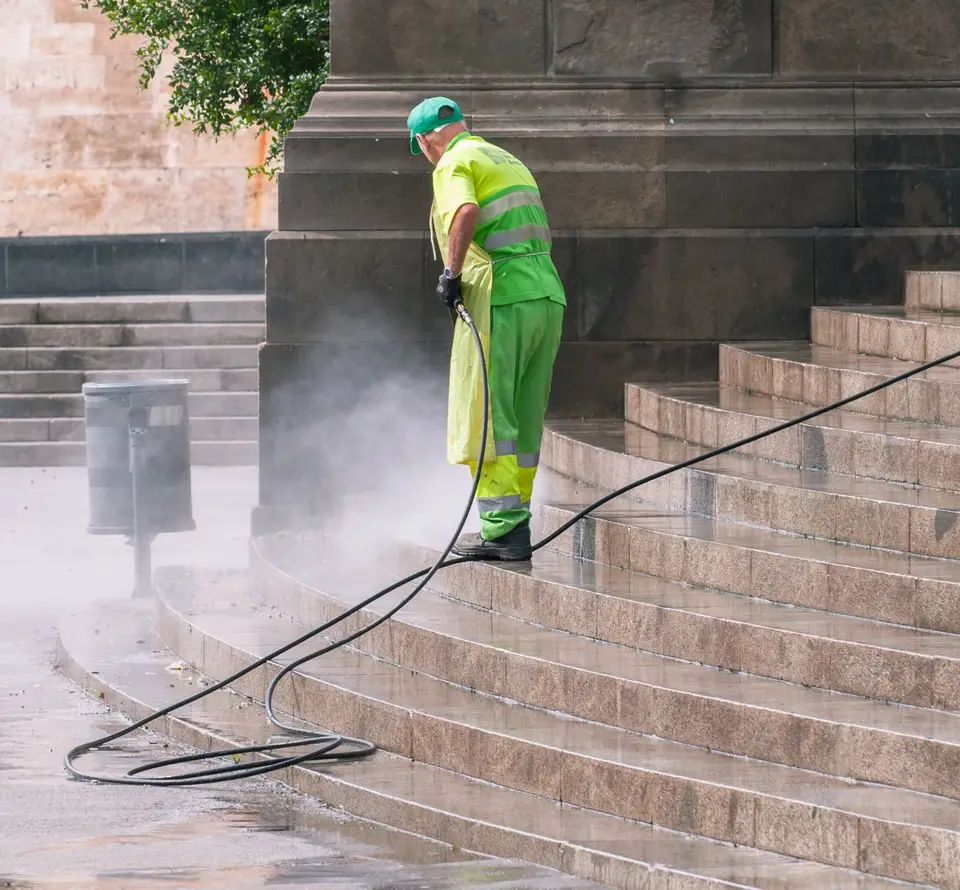
Pressure washing uses water at high pressure to physically strip grime off hard surfaces. It’s the right tool for concrete, most pavers, and other dense flatwork — surfaces that can take force. Done professionally, it isn’t just a wand: a commercial surface cleaner makes consistent overlapping passes so the driveway comes out uniform instead of striped, and calibrated PSI protects the concrete’s top “cream” layer.
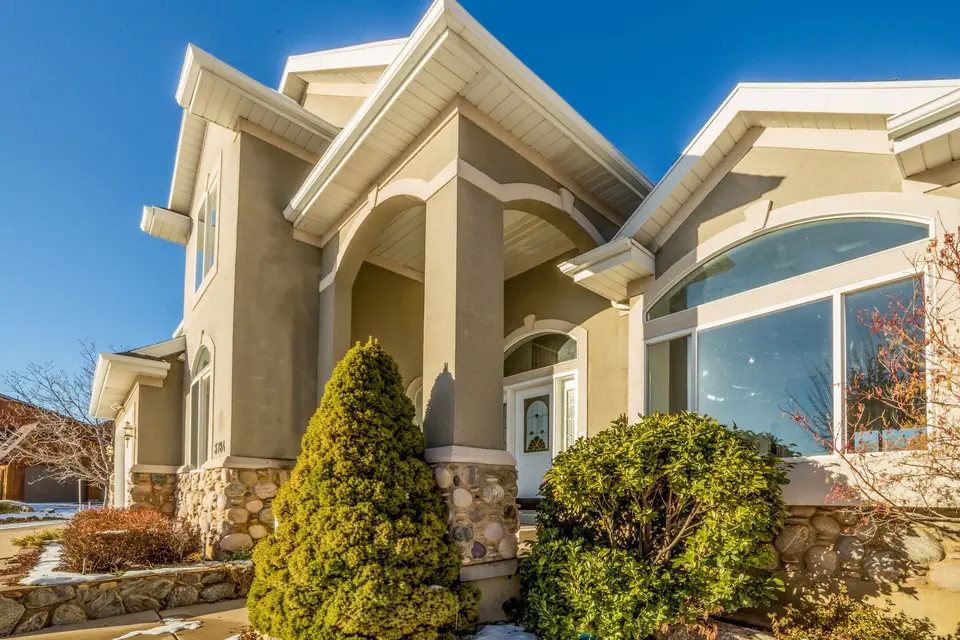
Soft washing flips the equation: low pressure, and the cleaning happens chemically instead of mechanically. A measured detergent solution goes on, dwells long enough to break down the grime or kill the growth, and rinses off at garden-hose-level pressure. It’s the only correct method for stucco, painted wood, vinyl siding, and — critically — roofs.
The practical rule: hard mineral surfaces get pressure; coated, painted, or organic-growth surfaces get chemistry.
PSI in plain numbers
Pressure is easier to reason about with numbers attached. A garden hose runs around 50–60 PSI. Consumer pressure washers start near 1,300 PSI and rental units commonly push 2,500–3,300. Professional rigs can exceed 4,000 — and a proper soft wash runs under a few hundred PSI, barely above garden-hose territory, because the detergent is doing the work. That spread is the entire argument: the difference between the right tool and surface damage is a full order of magnitude, and the dial matters less than knowing where to set it for each material.
What happens when you swap them
High pressure on the wrong surface does damage that doesn’t polish out:
- Stucco etches and pits — the texture that makes stucco look like stucco gets blasted flat, and water can be driven behind the finish.
- Paint peels and feathers, turning a cleaning job into a repainting job.
- Asphalt shingles lose their granules — the sacrificial layer that protects the shingle from UV. A high-pressure roof “cleaning” can shave years off a roof’s life while making it look temporarily better.
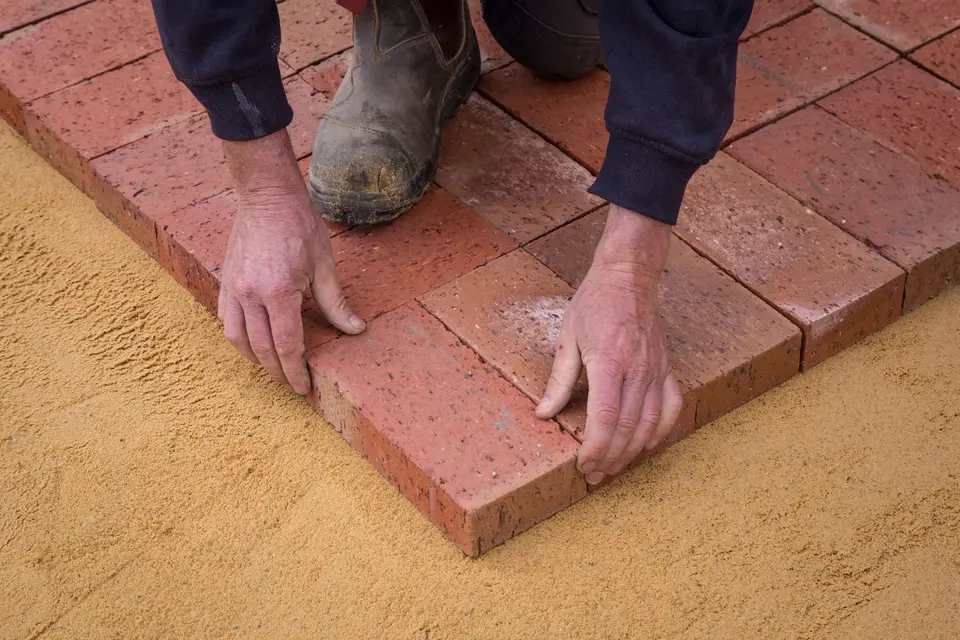
- Paver joints lose their sand, which is what keeps the stones from shifting and sinking.
- Wood furs and splinters as the pressure tears the grain open.
The reverse mistake — soft-washing a badly stained driveway — just doesn’t work: detergent alone won’t lift baked-in tire marks out of concrete. That’s a pressure-and-pretreatment job.
The roof case, specifically
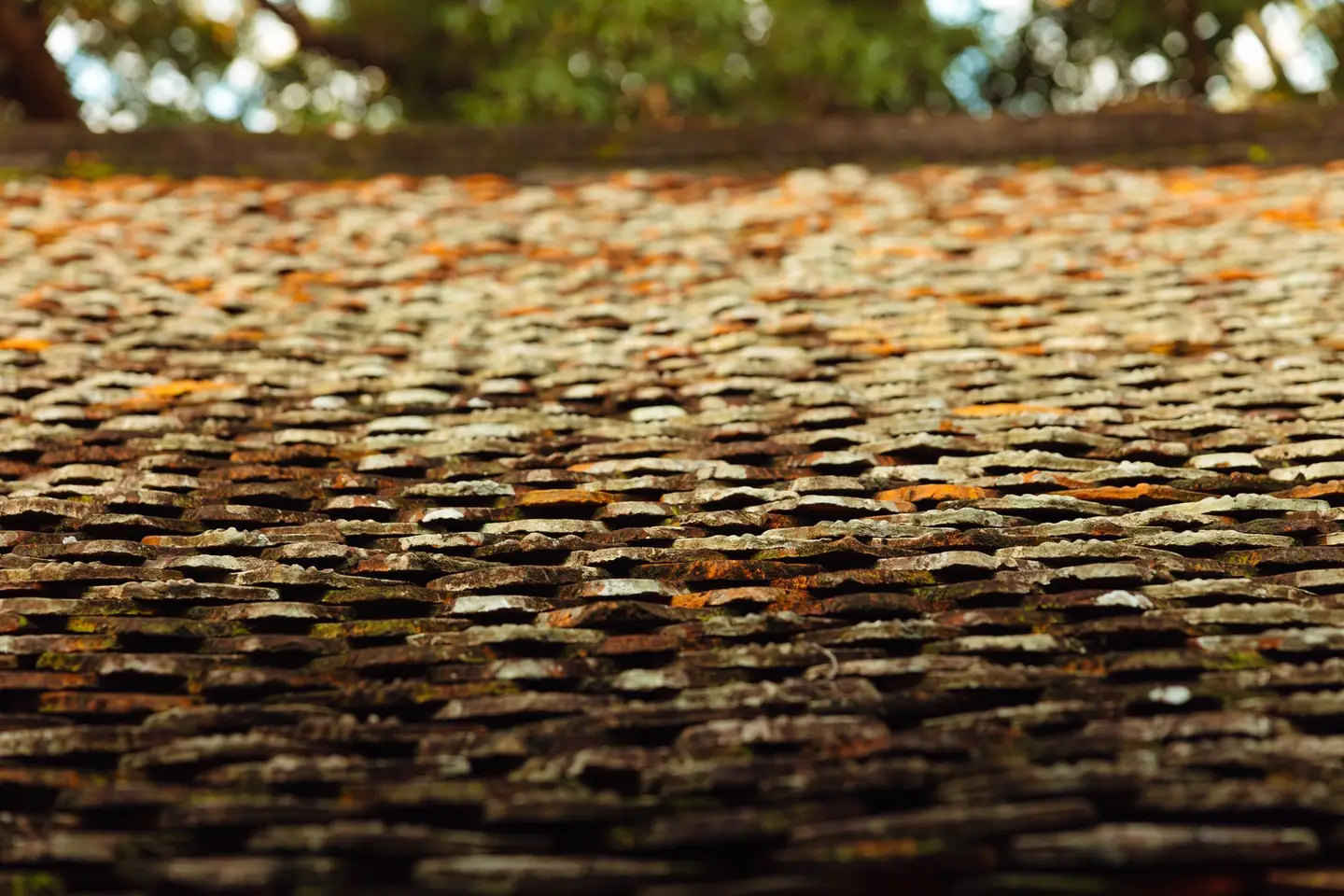
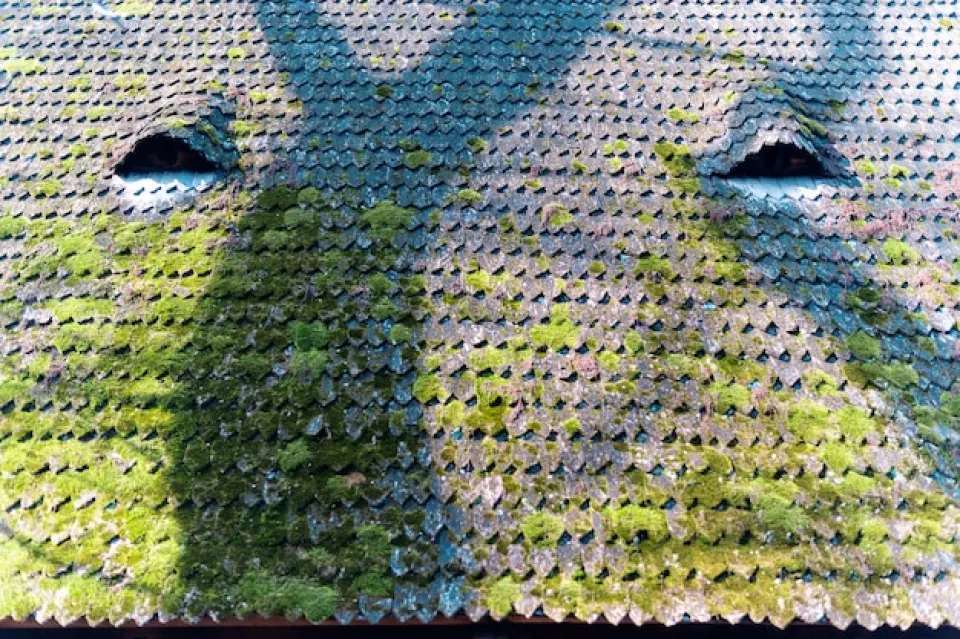
Those black streaks on LA roofs aren’t dirt — they’re algae, and the moss patches along shaded edges are alive too. That’s why blasting them fails twice: it strips granules on the way in, and because it only removes the visible growth rather than killing the organism, the streaks return fast. Soft-wash treats the root cause. The detergent kills the growth, the low-pressure rinse carries it away, and the result lasts because the colony is actually gone. It’s also why roofing manufacturers approve soft washing and void warranties over pressure washing — worth asking any company which method they intend to put on your shingles before they set a ladder.
Why LA properties need both
A typical Los Angeles job mixes methods across one property: pressure with pretreatment on the driveway and walkways, soft-wash on the stucco and painted trim, soft-wash on the roof, and something in between — moderated pressure with the right detergent — on pool decks and patios. Coastal homes lean harder on the chemistry side, because salt film and mildew respond to detergent, not force. Valley driveways lean harder on pressure, because baked-in oil and hot-tire marks need mechanical help after the degreaser dwell.
This is also where the eco question lives: the detergents doing the work in a soft wash should be biodegradable and plant-safe, with landscaping pre-wet before application and runoff controlled — standard practice on every one of our jobs, and non-negotiable anywhere near the coast.
How often each method happens
The two methods also live on different calendars. Pressure-washed flatwork is mostly event-driven — you wash the driveway when the stains say so, typically after a season or two of accumulation, and always sooner rather than later for oil. Soft-washed surfaces run on biology’s schedule instead: most LA homes benefit from an annual exterior wash (twice a year near the coast, where salt and mildew accelerate everything), while roofs commonly go three to five years between soft washes depending on shade and tree cover, because the treatment kills the growth rather than just hiding it. Knowing which calendar a surface lives on is half of budgeting for it.
Questions to ask before anyone washes anything
- “Which method are you using on my roof?” The only acceptable answer involves the words low pressure or soft wash.
- “What’s in the detergent?” Biodegradable and plant-safe should come back without hesitation.
- “How do you protect the landscaping?” Pre-wetting and runoff control, or keep shopping.
- “Are you licensed and insured?” Certificates should be available on request.
- “How do you price it?” Square footage, surface type, soil level, access — a quote that can name its factors is a quote you can trust.
The dwell-time secret
The least appreciated part of a soft wash is the waiting. Detergent needs contact time — minutes, not seconds — to break down growth and grime before the rinse. Rushed washes skip the dwell and compensate with pressure, which is exactly the failure mode described above. Professional washing looks slower per square foot precisely because the chemistry is being allowed to finish its job; the payoff is a clean that arrives without force and lasts longer because the organics are dead, not just displaced.
A surface-by-surface cheat sheet
- Concrete driveways and walkways — pressure, after pretreatment. Surface cleaner for uniformity.
- Pavers — moderated pressure, joint-safe technique; sand and sealing as follow-ups.
- Stucco — soft wash, always. Low pressure preserves texture and keeps water out of the wall.
- Painted wood and trim — soft wash. Preserves adhesion and grain.
- Vinyl and fiber-cement siding — soft wash. Detergents lift algae without warping panels.
- Brick and masonry — gentle wash that protects mortar joints and any sealer.
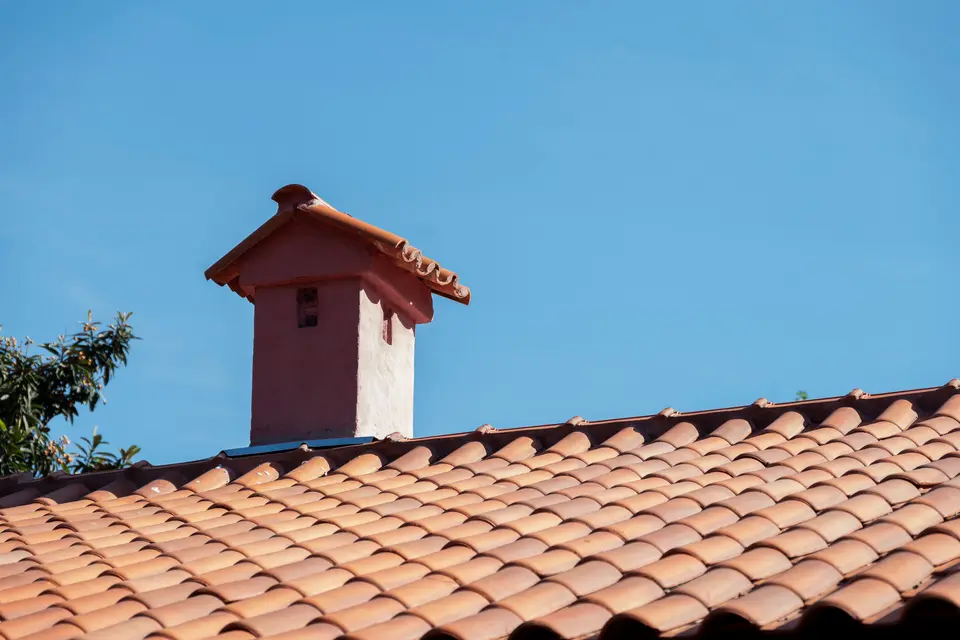
- Every roof: tile, shingle, metal — soft wash, manufacturer-approved. No exceptions.
- Pool decks and patios — depends on material; this is where a test spot earns its keep.
What about sealed surfaces?
Sealed concrete and sealed pavers change the equation: the sealer is a coating, and coatings sit on the soft-wash side of the line. Part of any professional pre-wash inspection is figuring out whether a sealer is present — one more reason the process starts with a test spot instead of a full-pressure first pass.
Quick answers
Can one company do both methods? They should — a properly equipped crew switches between pressure and soft wash on the same property, surface by surface.
Is soft wash just bleach? No. It’s a measured detergent solution — in our case biodegradable and plant-safe, applied with landscaping pre-wet and runoff controlled.
Will soft wash clean my driveway? Not well — dense flatwork with baked-in stains needs mechanical help. That’s the pressure side of the ledger, with chemistry as the opener.
The short version
Concrete and dense flatwork: pressure, with pretreatment doing the heavy lifting. Stucco, paint, siding, wood, and every roof: soft wash, always. If you’re not sure which your surface needs, that’s exactly what photos are for — send a couple and you’ll get the right method and a real number back, usually within the hour. The full method breakdowns live in the guides for house & stucco washing, roof cleaning, and driveways.