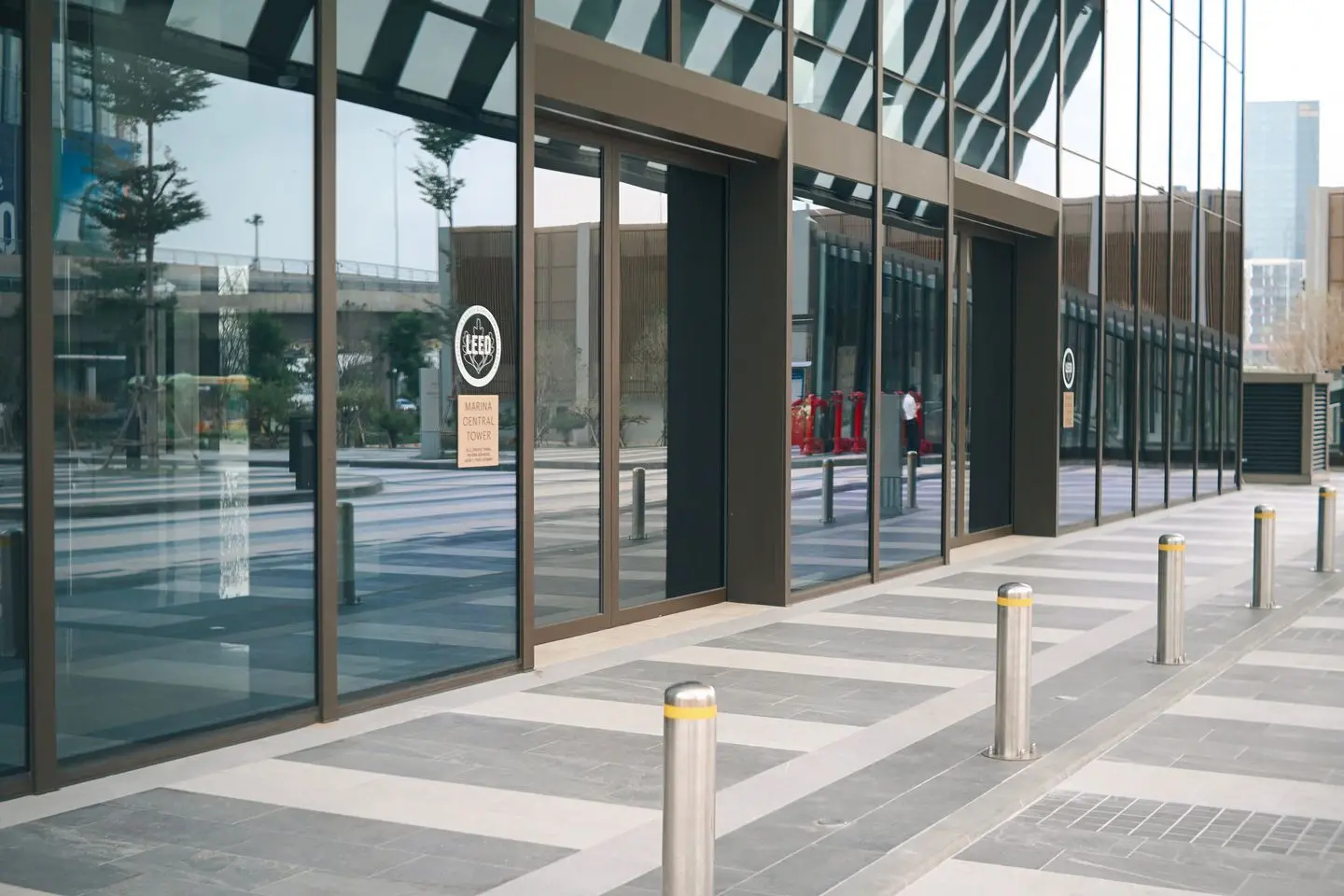
Commercial building pressure washing is the scheduled exterior cleaning of a business or multifamily property — entrances, sidewalks, dumpster pads, facades, roofs, gutters, and parking — with every surface getting the method it can actually take. For a property manager, the washing is the easy part. The real work is scope, scheduling around tenants, insurance paperwork, and keeping wash water out of the storm drain.
This guide is for the people who sign the work order — property managers, small commercial building owners, and HOA boards: what gets cleaned and how, how to schedule it without setting off a tenant email chain, what to ask a contractor, and how to decide when the property needs a wash instead of guessing.
What commercial building pressure washing covers
A commercial property isn’t one surface — it’s a dozen, and each has its own method. Lumping them all under “pressure washing” is how stucco gets etched and asphalt gets softened. Here’s how a typical Los Angeles commercial or multifamily property breaks down:
- Storefront frontage, entrances, and sidewalks. Gum, drink spills, and the dark traffic path at the door. Concrete takes pressure after pretreatment, with a surface cleaner for an even finish. This is the core of storefront and sidewalk cleaning.
- Walkways, courtyards, and breezeways. The concrete between buildings in apartment complexes and office parks — same method as the sidewalk, more planters to protect.
- Dumpster pads and trash enclosures. Grease, food waste, and odor. Degreaser first, then the wash, with runoff contained — the surface where runoff control matters most.
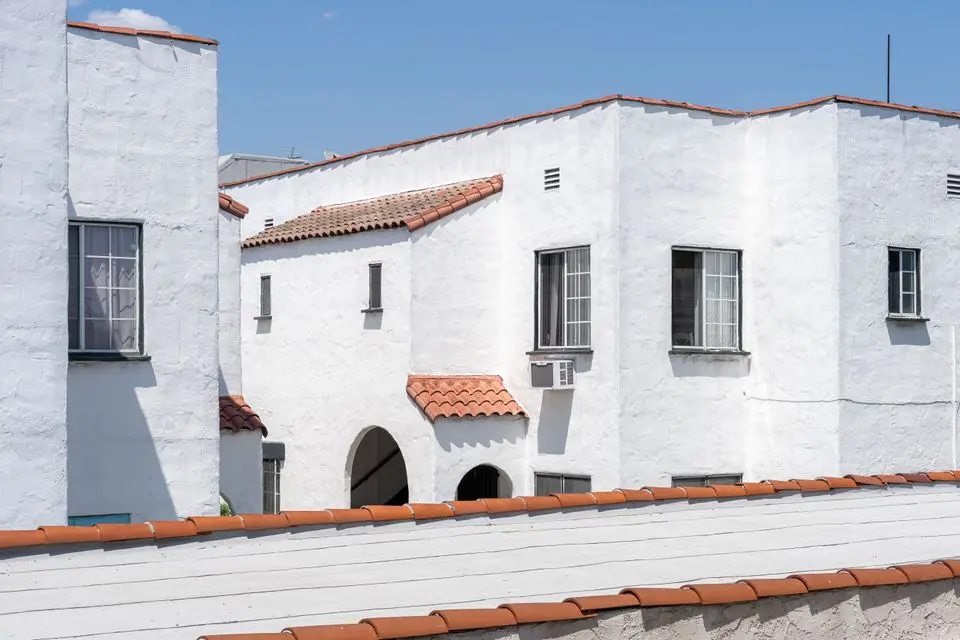
- Building exteriors and stucco. Stucco facades — everywhere in LA — get soft wash, not pressure: low pressure, biodegradable detergent, real dwell time, because high pressure etches stucco. The method is the same one behind house and stucco washing, scaled up to a building.
- Roofs. Flat and pitched commercial roofs get soft wash too, and commercial roof cleaning can be scheduled after hours.
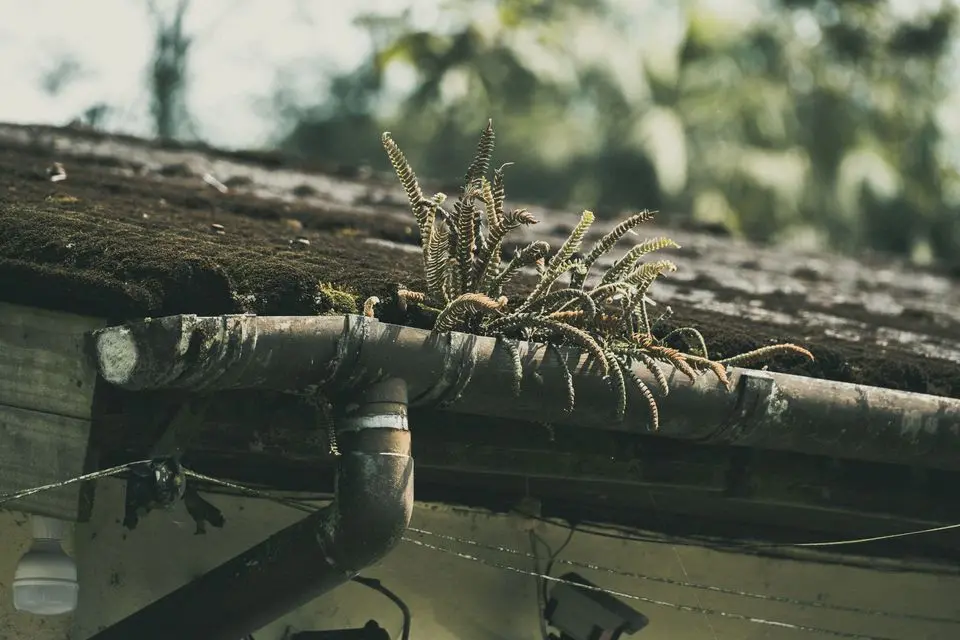
- Gutters. Gutter-edge and downspout inlet cleaning can ride along with a roof wash, or gutter cleaning can be booked on its own.
- Parking lots and structures. Oil lanes, tire rubber, and stained stalls get degreaser dwell and surface-cleaner passes — details in parking lot and garage cleaning.
Apartment complex and HOA pressure washing adds the common areas residents walk past every day: carport slabs, mailbox areas, exterior stairs and landings, and the trash enclosure nobody wants to open in August.
One contractor who handles the whole list means one certificate of insurance, one schedule, one invoice, and one person accountable when something gets missed.
Scheduling around tenants, customers, and business hours
A perfect wash still generates complaints if it happens during the lunch rush. Schedule around who’s on the property, and when:
- Retail and restaurants: before opening or after close. Early-morning and after-hours slots keep the hoses away from your tenants’ customers.
- Offices: evenings and weekends, when the lobby and the parking are empty.
- Apartments and HOAs: weekday daytime often works best, since many residents are out — but pressure washers are loud, so check quiet hours and local noise rules before booking an early start beneath bedroom windows.
- Large or mixed-use properties: phases. One building, one wing, or one parking level at a time, coned off and signed, while everything else stays open.
Plan for drying, too. Concrete in full sun dries fast; shaded breezeways and covered garage levels hold water longer, especially on a marine-layer morning, so wash those first.
What the tenant notice should say
A good notice heads off most complaints. Include:
- The date and the time window, plus a backup date in case of rain.
- Which areas are affected, and in what order.
- Where vehicles need to be moved from, and by when.
- A request to close windows and doors facing the work.
- Doormats, planters, bikes, and anything else that should come off the walkways.
- A reminder to keep kids and pets away from wet areas.
- Who to contact with questions — a real person on-site, not a voicemail box.
Your leases, CC&Rs, or management agreement may set how much notice you owe; if not, several days ahead plus a day-before reminder is the courteous default.
What to ask a commercial pressure washing contractor
Commercial pressure washing services run the gamut from established operators to someone who bought a machine last month. Six questions sort them out fast:
- “Are you licensed and insured, and can I see the certificate?” Get a certificate of insurance before anyone unloads. If your management company or HOA requires specific certificate-holder or additional-insured wording, include it with the request, and ask early — those can take time to issue. (Logan’s Pressure Washing is fully licensed and insured in California; certificates of insurance are available on request.)
- “How do you handle runoff?” Los Angeles stormwater rules prohibit washing pollutants — oil, grease, food waste, dirty wash water — into storm drains, and LA’s storm drains carry water to the ocean without treatment. A real contractor can explain how they protect drain inlets and control wash water, especially at dumpster pads and parking areas. A shrug is an answer, just not a good one.
- “What method will you use on each surface?” Listen for pressure with pretreatment on concrete, soft wash on stucco, paint, and roofs, and an asphalt-safe approach on asphalt. If the plan is to blast the facade “because it’s faster,” you’ve learned how the rest of the job will go.
- “Can you quote from photos?” For commercial work, photos are faster than a site walk and give both sides a record of the starting condition. Logan’s quotes from photos — most come back within about an hour during business hours.
- “Who will I actually deal with?” Plenty of companies sell the job through a call center and send whoever’s free. Logan’s is owner-operated: you get Logan, not a call center — you deal with the owner directly, and Logan’s crew does the work.
- “What happens if something’s missed?” The answer should be simple. Ours is a 100% satisfaction guarantee: if you’re not happy, we’ll make it right.
Routine vs. event-driven: how often to wash
There’s no universal frequency for a commercial property, and anyone who names one without seeing yours is guessing. The schedule comes down to how fast each surface gets dirty: foot traffic, food-service tenants, trees, shade, and the street out front.
Event-driven washes are tied to a date on the calendar:
- Before a lease-up, a sale listing, an inspection, or a board walk-through
- Before a grand opening or the holiday retail season
- After construction or tenant improvements
- After the rainy season (roughly November through March) or a fire-season ash fall
- After a spill, a leaking dumpster, or a tenant complaint
Routine washes cover surfaces that soil at a steady rate: restaurant-row sidewalks, dumpster pads, entrance concrete, parking stalls. Commercial pressure washing in Los Angeles also has local accelerants. A sidewalk under a jacaranda or a row of ficus trees collects sticky blooms and fruit stains every year. A shaded wall near the coast grows mildew faster than a sunny one inland. A Valley lot bakes oil into the concrete all summer.
The practical way to find your interval: reset the property with a full wash, then photograph the high-traffic spots on a regular cadence. When the photos show buildup coming back, that’s your schedule. Many commercial clients settle into quarterly or biannual plans priced per visit — but the interval should come from your property, not a brochure. A rhythm also keeps every visit a maintenance job: grime that’s had years to bake in needs more dwell time and sometimes repeat treatments.
What a clean property does for tenants and prospects
None of this is a line item, which is why it’s easy to defer. But consider who sees the property before the lobby:
- Prospective tenants, buyers, and customers form an opinion at the curb. A gum-spotted entrance and a streaked facade read as deferred maintenance, fairly or not.
- Existing tenants notice the places management walks past: the dumpster pad, the garage stairwell, the trash corner.
- Everyone walks on the surfaces. Oil on walkways and algae on shaded paths make concrete slick when wet — cleaning them is maintenance, not decoration.
One Valley property manager put it this way:
“We manage a few small commercial buildings in the Valley, and Logan’s team took care of all the exterior cleaning in one day. Clean storefronts, walkways, and dumpster pads—super efficient and professional. Highly recommended for business owners.”
— Marcus R., Sherman Oaks
What your maintenance crew can handle in-house
A good porter or maintenance crew keeps a property presentable between washes. In-house is the right call for:
- Daily sweeping and blowing of walks and entrances
- Mopping or squeegeeing fresh spills before they set
- Scraping fresh gum before it’s walked flat
- Keeping dumpster lids closed and reporting leaking bins
It stops being an in-house job at stucco or painted facades (pressure damage), anything at height (fall risk), grease and dumpster pads (chemistry and runoff), and large flatwork (a wand leaves stripes a surface cleaner doesn’t). Then there’s the liability of wet work in public walkways — a contracted wash arrives with its own insurance.
FAQ
How often should a commercial building be pressure washed? It depends on traffic, tenants, trees, and shade. Start with a full reset, watch how fast buildup returns, and schedule from that — many commercial clients end up on quarterly or biannual plans priced per visit.
Can you wash while our tenants are open for business? It can be done in coned-off sections, but early-morning and after-hours scheduling is usually better for retail and restaurants. Apartments and large properties are typically washed in phases.
Is pressure washing safe for stucco buildings? High pressure isn’t — it etches stucco and can drive water behind the finish. Stucco facades get soft wash instead: low pressure, with biodegradable detergent and dwell time doing the work.
Do you provide a certificate of insurance? Yes. Logan’s Pressure Washing is fully licensed and insured in California, and certificates of insurance are available on request. If your management company needs specific certificate-holder details, include them when you request the quote.
Get a number for your property
If the entrance, the dumpster pad, or the facade is overdue, start with the storefront and sidewalk service page to see how commercial visits run, then send photos of the property for a quote — frontage, problem spots, and anything you’re unsure about. Most quotes come back within about an hour during business hours, with same-week scheduling. Prefer to talk it through? Call (323) 892-7463 — that’s (323) 8WASH ME.