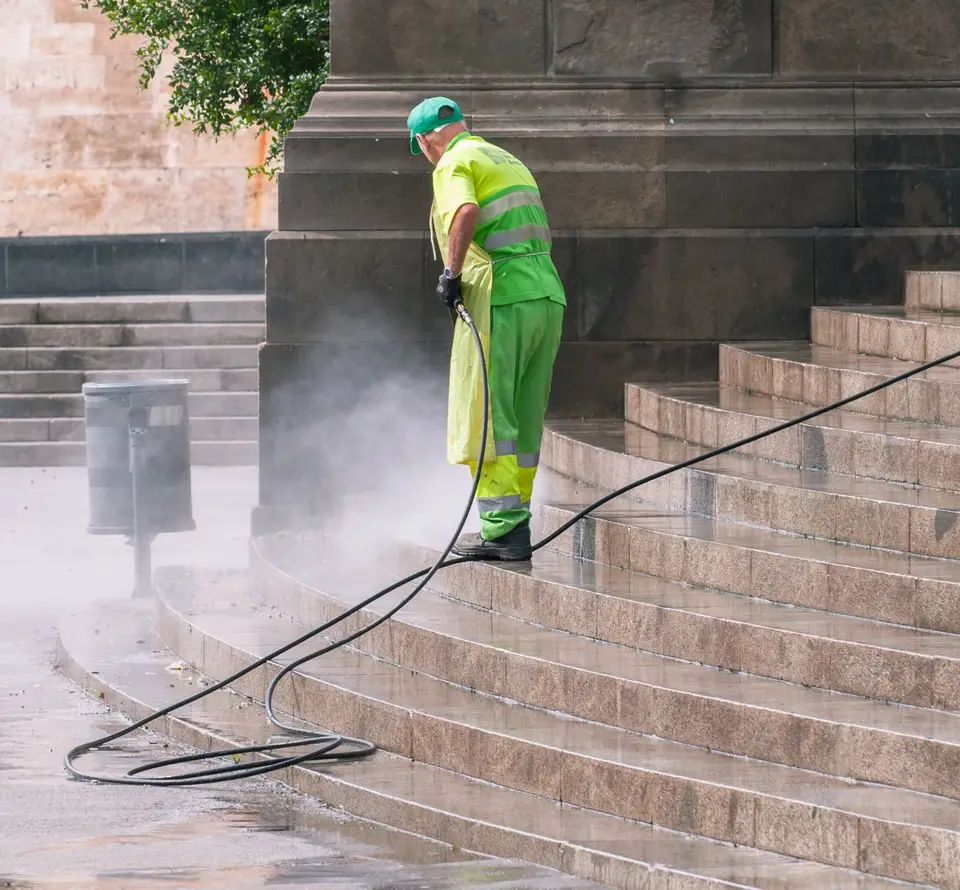
Tile roof cleaning should be a soft wash: a cleaning solution applied at low pressure to kill the lichen, moss, and algae, a few minutes of dwell time, then a gentle rinse. What it should never be is a pressure washer aimed at the tiles. Clay and concrete tile can shrug off decades of Southern California sun, but high pressure and careless footsteps can crack, erode, or loosen it in a single afternoon.
That matters in Los Angeles, where Spanish, Mediterranean, and mission-style houses put tile on an enormous number of rooftops. Here’s what grows on tile, how clay and concrete differ, why pressure is the wrong tool, and how a proper soft wash goes.
What’s actually growing on your tile roof
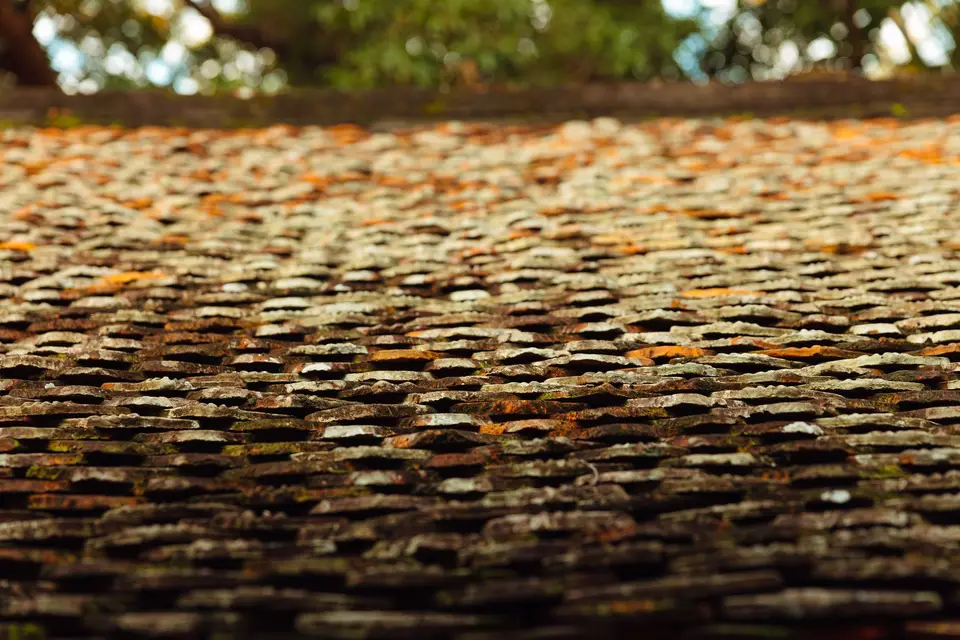
The dark, patchy look on an older tile roof is rarely just dirt. Usually it’s a mix of:
- Lichen — crusty, flat, roughly circular patches in gray-green, white, or rusty orange. A fungus-and-alga partnership, it grows slowly and grips harder than anything else up there — the most stubborn thing tile roof cleaning deals with.
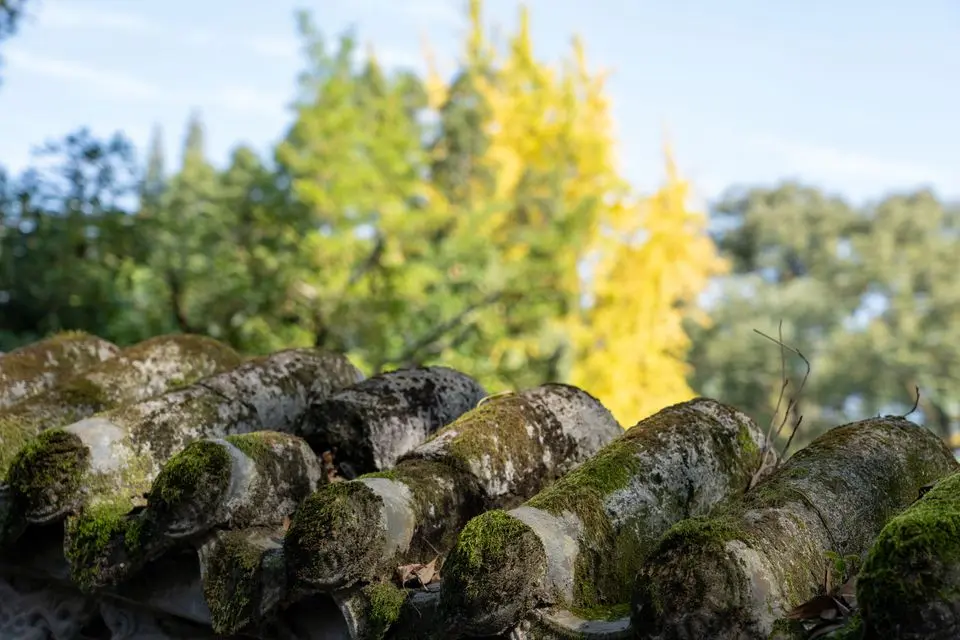
- Moss — green, soft, and raised. It shows up wherever shade and moisture linger: north-facing slopes, under trees, and in the channels and overlaps between tiles. It holds water against the tile like a sponge and catches debris.
- Algae — dark green to black staining, often in streaks running downhill. Mostly cosmetic, but it’s what makes a roof look tired from the street.
- Dirt, pollen, and soot — smog film, fire-season ash, and jacaranda, eucalyptus, and palm debris collecting in the tile channels.
- White mineral deposits — a chalky haze, most common on concrete tile, left when water carries minerals out of the tile and evaporates (efflorescence). It’s mineral, not biological, so a solution aimed at growth won’t necessarily remove it. Point it out in your photos.
Clay tile vs. concrete tile: similar look, different material
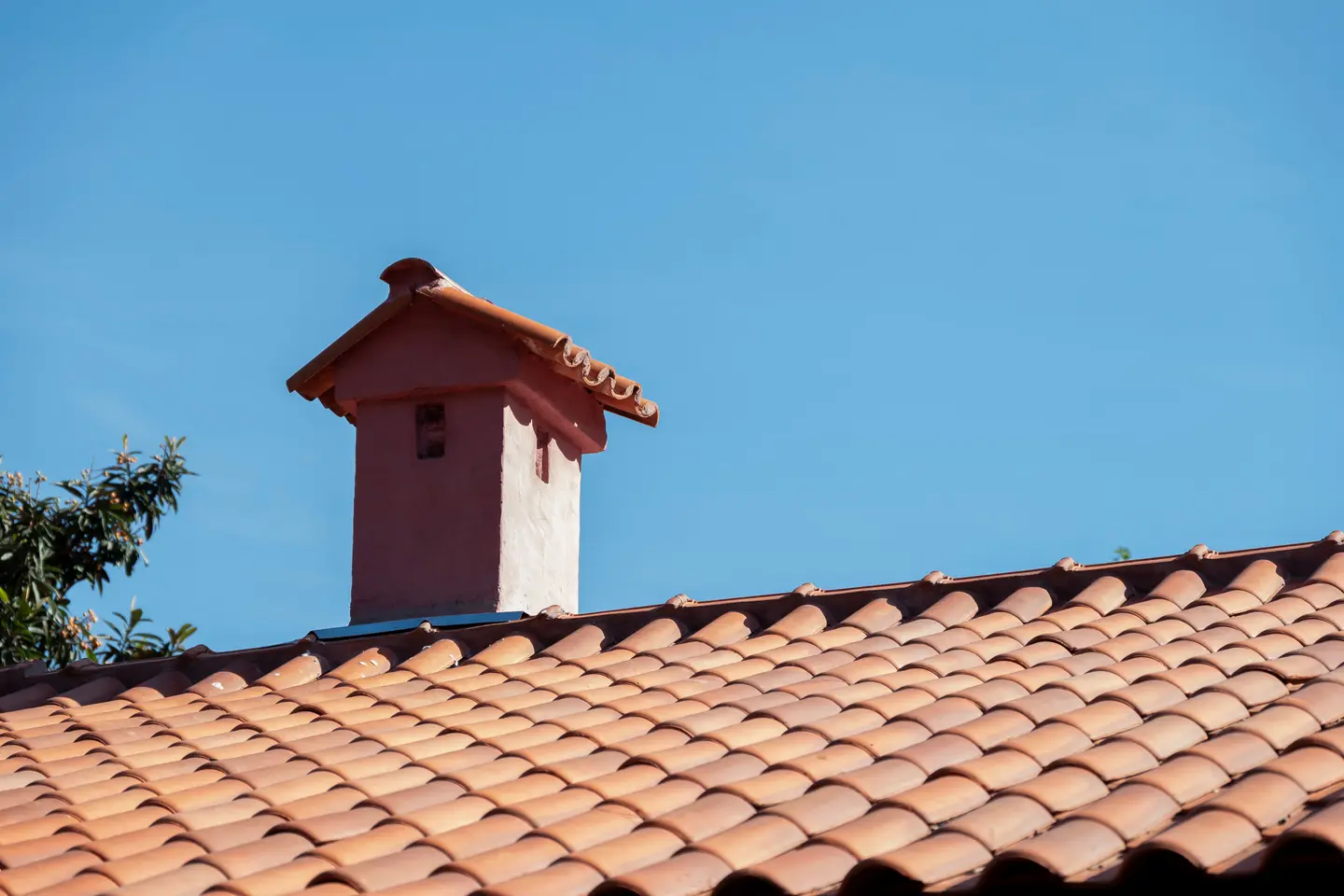
From the street they can look identical — concrete tile often mimics classic terracotta profiles — but they behave differently.
Clay tile is fired, so the color usually runs all the way through (unless it’s glazed). It holds its color for a very long time, and it’s the original roof on many older LA homes. Its weakness is brittleness: older clay can crack under a single misplaced step. Clay tile roof cleaning is mostly about protecting the tile from people, not from the chemistry.
Concrete tile is molded from cement and sand. It’s heavier and more porous, so it stays damp longer — which is why it tends to grow more lichen and moss than clay in the same spot. Its color is often a surface coating rather than through-body, and that’s the vulnerability: pressure erodes the coating and the cement paste beneath it, leaving a rough, sandy surface that soaks up water and regrows faster.
How to tell which you have: if there’s a spare tile in the garage (there often is), look at a chipped edge. Gray and gritty inside means concrete; terracotta all the way through means clay.
Either way the method is soft wash, but the risks differ: concrete is more sensitive to pressure, older clay to foot traffic.
Why high pressure is the wrong tool for tile
A pressure washer will make a tile roof look cleaner for a while. That’s the trap. Meanwhile:
- It erodes the surface. On concrete tile, a jet strips the color coat and cement paste, exposing sand that absorbs water and regrows faster.
- It cracks and dislodges tile. A focused jet can lift a tile, snap a corner, or wash out the mortar at ridges and hips.
- It drives water under the tile. Tile sheds rain; the real waterproofing is the underlayment beneath it. A wand aimed at an angle pushes water up under the overlaps onto that underlayment — and on an older roof, that’s how a cleaning becomes a ceiling stain.
- It doesn’t kill the growth. Blasting tears off what you can see and leaves what you can’t, so lichen and moss come back on a roughed-up surface that’s even easier to colonize.
Soft washing avoids all four. The full comparison is in our guide to soft wash vs. pressure washing.
The walking problem
Pressure isn’t the only risk. Feet are. Tile is built to shed water, not to support a person standing on an unsupported span — and a cracked tile can sit quietly until the first heavy rain finds it. Experienced roof cleaners keep foot traffic to a minimum:
- Treat from the edges where possible. Soft-wash equipment reaches a long way, so much of a roof can be treated from ladders, the eaves, or a few chosen positions.
- Step only where tile is supported. When walking is unavoidable, weight goes on the overlapped lower portion of each tile — never on the crown of a barrel tile or the unsupported middle of a flat one.
- Stay off wet tile. Cleaning solution makes slick tile slicker, so footing gets planned before anything is sprayed.
- Look for existing damage first. Most older tile roofs already have a few cracked or slipped pieces. You want those pointed out at the start.
How tile roof cleaning works: the soft wash, step by step
Roof soft washing on tile follows a predictable order:
- Inspect. Material (clay or concrete, glazed or not), growth type and level, slope, access, and any existing damage determine the safest method.
- Protect. Landscaping is pre-wet so plants hold clean water instead of absorbing runoff, and runoff is controlled throughout.
- Apply. A measured cleaning solution goes on at low pressure, matched to what’s growing — lichen and heavy moss need more contact than a light algae film.
- Dwell. The solution needs time to work, and LA sun can dry it on hot tile too fast, so timing and working in sections matter.
- Rinse gently. A low-pressure rinse runs downhill with the tile overlaps, never up under them. Landscaping gets rinsed again, too.
- Finish the roofline. Gutter edges and downspout inlets collect whatever comes off the roof, which is why gutter cleaning pairs naturally with the same visit.
- Review. A final walk-around with photos of the parts you can’t see from the yard.
What “clean” should look like afterward
- Algae and moss gone or visibly dead; dead moss sometimes releases fully only after the next rain.
- Lichen dead, though remnants can take weeks of weather to let go, and on concrete tile may leave faint marks.
- The tile surface intact: no fresh cracks, no tiles out of line, ridge mortar where it was.
- The tile’s real color — which, on an old concrete roof, may be more faded than you remember. Cleaning reveals the surface; it doesn’t restore a worn color coat.
How often to clean a tile roof
Many roofs go three to five years between cleanings, but location changes the calendar. In Santa Monica, the marine layer keeps tile damp on many mornings; on the hillside and tree-lined streets of Los Feliz and Studio City, shade does the same. A sun-baked south slope in the Valley may barely need attention while the north slope of the same house grows a green fringe.
Signs it’s time:
- Dark streaks or patches spreading across the tile
- Moss in the channels or along shaded edges
- Gutters filling with organic debris from the roof
- A listing, appraisal, or HOA review coming up
And if the roof just looks dusty? The first real storm of the rainy season, roughly November through March, may handle that for free.
A DIY reality check
Tile is the roof we’ll most firmly tell you not to clean yourself. The ladder-to-roof step is where falls happen, wet tile is treacherous, and a rental pressure washer is precisely the wrong tool. Solutions strong enough to kill lichen will burn the plants below if runoff isn’t managed. And replacing broken tile — especially older clay that’s hard to match — is a roofer’s job with a roofer’s bill.
What you can do safely, from the ground:
- Trim branches back from the roofline (hire an arborist for anything big) to cut down on shade and debris.
- Keep an eye on it. A zoomed phone photo from the yard shows growth and slipped tiles without anyone climbing.
- Get the gutters cleared before the rainy season so water leaves the roof the way it should.
Questions to ask a roof cleaner
- “Soft wash or pressure?” On tile, the only right answer is soft wash.
- “How will you minimize walking on my tile?” Listen for a real plan, not “we’re careful.”
- “How do you protect the plants and handle runoff?” Los Angeles stormwater rules prohibit washing pollutants into storm drains — expect a specific answer.
- “Are you licensed and insured?” Ask for a certificate of insurance before anyone climbs anything.
- “How is it priced?” Roof size, material, growth level, and access drive it — the same factors in our breakdown of what pressure washing costs in Los Angeles.
FAQ
Can you pressure wash a tile roof?
You can, but you shouldn’t. High pressure erodes concrete tile, can crack or dislodge clay and concrete alike, and drives water under the tiles onto the underlayment. A low-pressure soft wash cleans the same roof without those risks.
How often should a tile roof be cleaned?
Many roofs go three to five years between cleanings. Shaded, tree-covered, and coastal roofs usually need it sooner, because lingering moisture brings growth back faster.
Is roof cleaning worth it?
If there’s visible growth, usually yes. Moss and lichen hold moisture against the tile and trap debris, and a clean roof makes a real difference before a sale or appraisal. If the roof only looks dusty, waiting for winter rain is a reasonable call.
Is roof soft washing safe for plants and pets?
Done properly, yes. Logan’s crew uses biodegradable, plant-safe detergents, pre-wets the landscaping, and controls runoff. Keep pets inside during the job anyway, simply because hoses and ladders are moving around the yard.
Clay or concrete, a tile roof should only ever get the gentle treatment. Logan’s Pressure Washing brings 11+ years of experience, is licensed and insured in California, and is owner-operated, so you deal with Logan directly, not a call center. The method is laid out on our roof cleaning in Los Angeles page. For a number, send a few photos of your roof — most quotes come back within about an hour during business hours — or call (323) 892-7463, that’s (323) 8WASH ME.