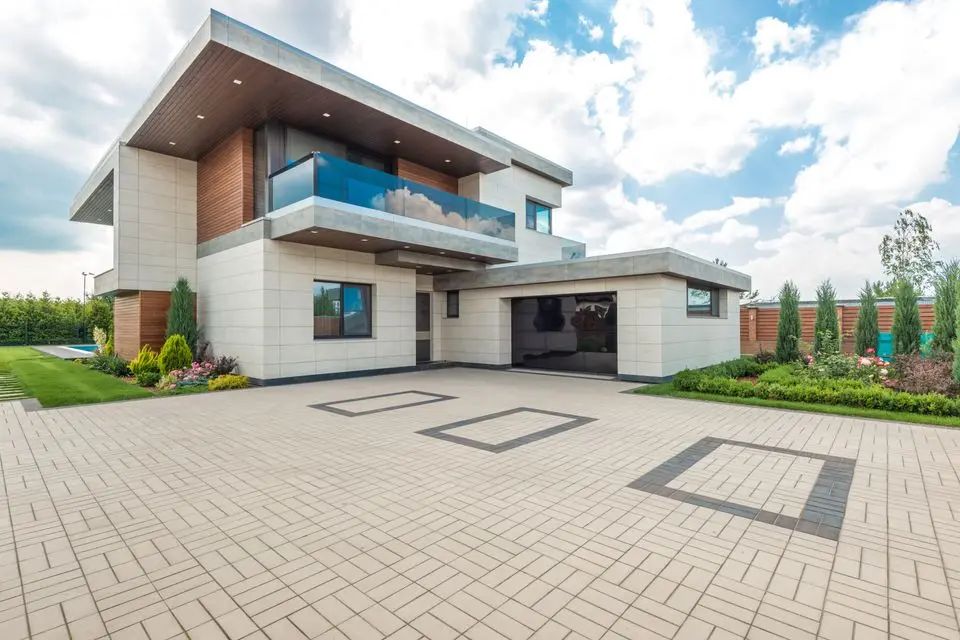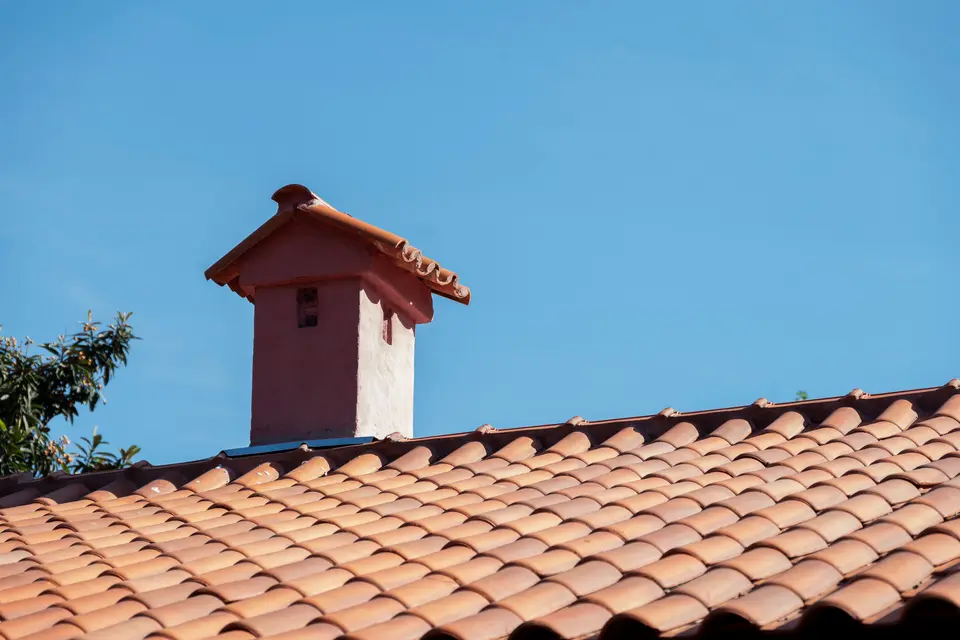
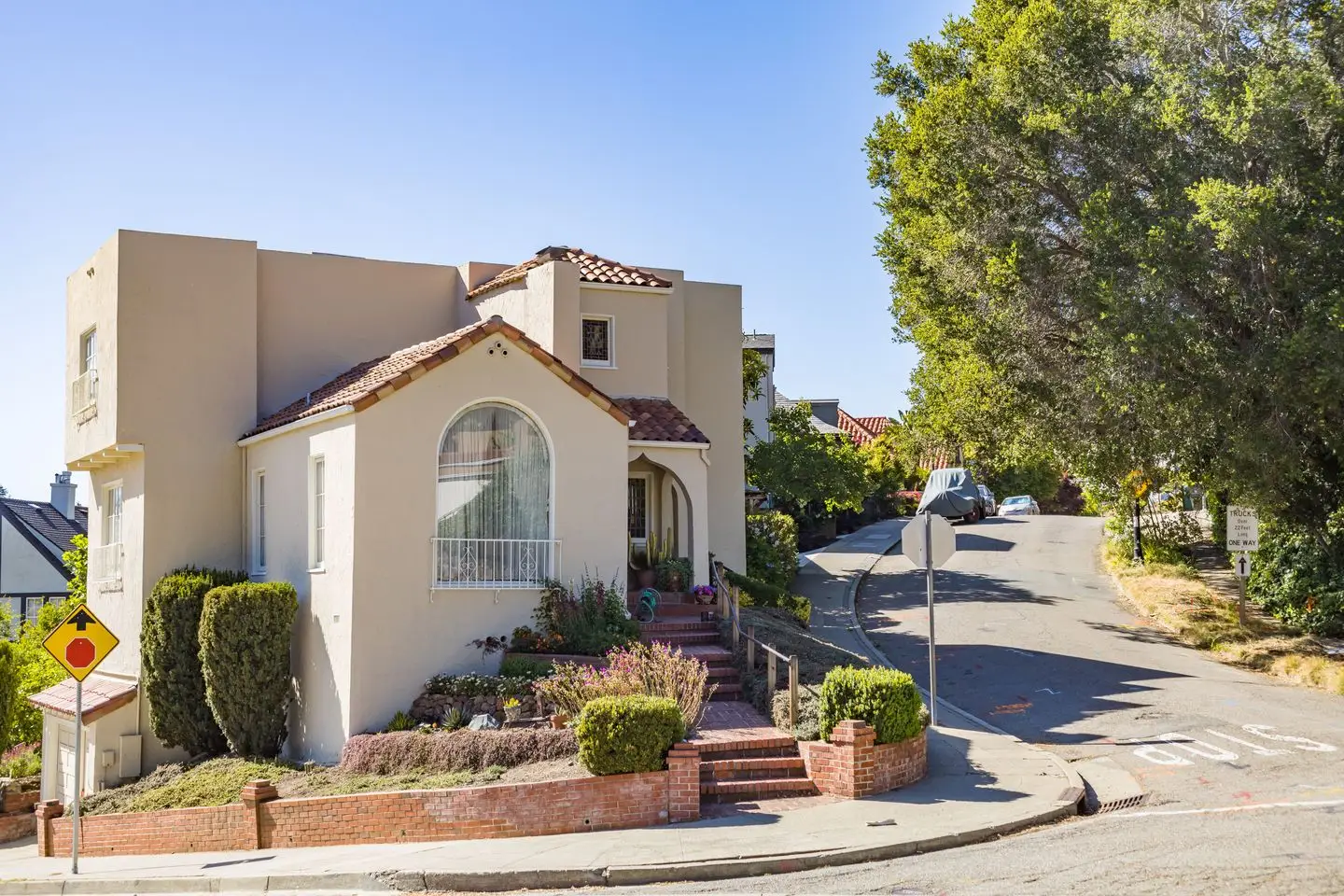
A professional house washing service is a soft wash, not a pressure blast: an inspection, protection for plants and fixtures, a detergent matched to each surface, a few minutes for it to work, and a rinse at close to garden-hose pressure. The chemistry does the cleaning. The water just carries it away.
That’s worth knowing before you hire anyone, because “house washing” covers everything from a careful, surface-by-surface job to a rental-grade wand aimed at your stucco. Below is what a proper house wash actually includes, what Los Angeles does to an exterior, when to schedule one, what a house wash isn’t, and how to get your home ready. Use it as a checklist when you compare quotes.
Why a house wash is a soft wash
The outside of an LA house is mostly made of materials that can’t take force. Stucco is porous and textured. Paint is a film that holds on by adhesion. Siding has seams, and so do windows, vents, and light fixtures. High pressure etches stucco, drives water behind it, feathers paint at the edges, and pushes water through every seam it finds.
A soft wash works the other way around. A measured detergent loosens dirt and kills the mildew and algae that darken walls, it sits long enough to finish the job, and a low-pressure rinse takes it all away. Same clean, none of the damage. For the deeper comparison, our guide to soft wash vs. pressure washing breaks down which surfaces get which method.
What a professional house washing service includes, step by step
1. A walkaround and inspection
Before any water comes out, a good washer walks the whole house. They’re checking paint condition (chalky, oxidized paint rubs off on a fingertip and calls for a gentler approach), stucco cracks, loose trim, fragile light fixtures, open vents, and exterior outlets. They’re also reading the dirt: where mildew is concentrated, where sprinklers have stained the walls, where webs and nests have collected. The inspection picks the method, and anything uncertain gets a test spot before the full wash.
2. Protecting plants, fixtures, and outlets
Landscaping is pre-wet so plants hold clean water instead of absorbing detergent, and runoff is controlled throughout. Delicate plants, windows, and AC units are shielded. Outlets, light fixtures, and anything electrical get extra care — and the low-pressure rinse helps here too, since it isn’t forcing water into covers and seams.
3. Soft-wash application, matched to the surface
One house is usually several jobs:
- Stucco — a low-pressure application that reaches into the texture without etching it, preserving the finish and color.
- Painted siding and trim — a controlled soft wash that protects paint adhesion and, on wood, the grain.
- Vinyl and fiber-cement siding — detergent lifts algae without warping or fading panels.
- Brick and masonry — gentle cleaning that protects mortar joints and any masonry sealer.
- Eaves and soffits — where webs, nesting debris, and dirt collect out of the weather. These get detail attention, often by hand.
- Garage door — usually painted metal or wood, and usually dirtiest along the bottom panels, where splashback and sprinkler overspray land.
4. Dwell time
Detergent needs minutes, not seconds, to break down grime and kill growth. A common pro technique is to apply from the bottom of a wall upward, so solution doesn’t run down dry, dirty surface and leave clean streaks, and to keep it from drying in direct sun by working in sections on hot days.
5. A low-pressure rinse, top to bottom
The rinse runs from the top of each wall down, so dirty water never runs over a section that’s already clean. Pressure stays low enough that stucco texture and paint edges come through untouched. Plants get rinsed again at the end.
6. Spot attention
A few problems need more than the standard pass:
- Mildew on shaded and north-facing walls. The slowest-drying sides of the house grow the most, and heavy growth may need a second application.
- Spider webs and wasps under the eaves. Webs come down easily. Active wasp nests are a different matter: a careful washer points them out before spraying nearby, and some call for a pest professional first.
- Rust and irrigation stains. The orange-brown marks sprinklers leave on stucco are mineral, not organic, so the regular soft-wash mix doesn’t touch them. They need a targeted treatment, and how completely they come out depends on how long they’ve been setting. Adjusting the sprinkler head is the real long-term fix.
7. A final check
The job should end with a walk-around: every side of the house looked at, missed spots handled, and photos for your approval before anyone packs up.
What LA does to a house exterior
Los Angeles is hard on exteriors in specific, predictable ways:
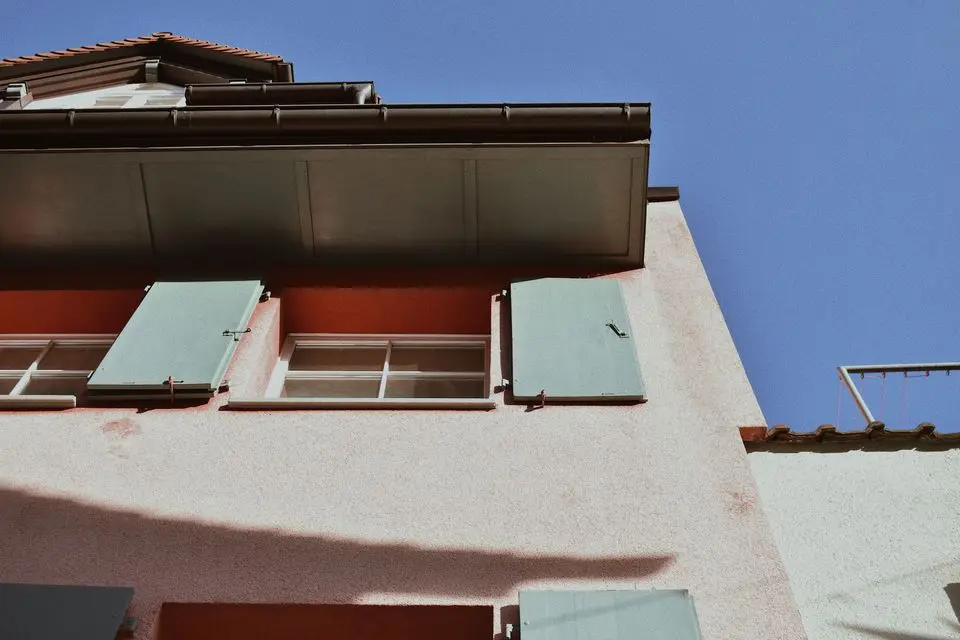
- Stucco everywhere. A huge share of LA houses wear it, and its texture is a dust trap. Smog film and fine grit settle into the pores and darken the whole wall so gradually that most owners don’t notice until it’s washed.
- Coastal salt and marine-layer mildew. Near the coast, mornings stay damp and a salt film builds on every surface. Shaded walls in Santa Monica can grow mildew noticeably faster than the same wall would inland.
- Valley dust. In Van Nuys, Northridge, Sherman Oaks, and Burbank, heat and wind lay down a fine dust that turns into muddy streaks with the first rain or a misaimed sprinkler.
- Fire-season ash. When the Santa Ana winds blow in the fall, ash and soot settle into stucco texture and window ledges. A gentle wash with controlled runoff clears it — and since Los Angeles stormwater rules prohibit washing pollutants into storm drains, ask any washer how they handle that runoff.
Those local conditions are why house washing in Los Angeles starts with the inspection, not the hose.
When to schedule a house wash
- Once a year suits most LA homes.
- Twice a year makes sense near the coast or on high-traffic streets, where salt, soot, and mildew build faster.
- Before a listing, appraisal, or HOA review, a soft wash is the fastest curb-appeal win there is.
- After the rainy season (roughly November through March) is a natural time, once winter mildew has shown you where it likes to grow.
- If the roof is getting cleaned too, roof cleaning goes first, so nothing coming off the roof lands on freshly washed walls.
What a house wash isn’t
Setting expectations up front saves everyone a frustrating conversation:
- A house wash isn’t window cleaning. Glass gets rinsed along with the walls, but that’s not a streak-free detail of every pane, screen, and track.
- A house wash isn’t painting. Clean paint looks better, but chalking or peeling paint is still failing paint. A good inspection will flag it; the wash won’t fix it.
- A house wash isn’t stucco repair. Cracks get noticed and mentioned, not patched.
- A house wash isn’t pest control. Webs come down; an active wasp colony may need a specialist.
- A house wash isn’t a pressure blast. If the plan involves a high-pressure wand on your stucco, keep shopping.
How to get your house ready
- Close every window and door, including garage and pet doors.
- Move cars away from the walls and out of the spray zone.
- Bring pets inside for the duration.
- Clear the perimeter: patio furniture, grills, potted plants, toys, doormats, and decor near the walls.
- Unlock gates and make side yards reachable.
- Flag anything fragile or recent — fresh paint (it needs time to cure before a wash), loose trim, a wobbly light fixture, cracked stucco, or a known wasp nest.
How to compare house washing quotes
Price follows home size, story height, access, and how much mildew or staining there is — the same factors behind what pressure washing costs in Los Angeles. All of them show up in a few photos. Beyond the number, check that each quote names:
- The method: soft wash for stucco, paint, and siding
- The detergent: biodegradable and plant-safe
- Plant protection and runoff control
- A license, insurance, and a certificate of insurance on request
- What gets detailed (eaves, doors, trim) and how the job is reviewed at the end
A quote that can’t answer those isn’t really a quote for exterior house cleaning. It’s a guess.
FAQ
What’s the difference between house washing and soft washing?
House washing is the job; soft washing is the method a good house wash uses. A soft wash cleans with detergent and dwell time, then rinses at low pressure, so stucco, paint, and siding come out clean without being etched or peeled.
Will a house wash damage my stucco or paint?
Not when it’s done as a soft wash. Low PSI and biodegradable detergents clean stucco and painted surfaces without etching or peeling. The inspection also catches paint that’s already failing, so it gets a gentler approach.
How often should a house be washed in Los Angeles?
Most homes benefit from an annual wash. Coastal homes and houses on high-traffic streets may need it twice a year, because salt, soot, and mildew build up faster.
Is a soft wash safe for my plants and pets?
Logan’s crew uses biodegradable, plant-safe detergents, pre-wets landscaping, and controls runoff to protect plants and drains. Pets should stay inside during the wash, mostly so they’re clear of hoses and equipment.
A good house washing service should feel unhurried: a real inspection, protected plants, the right chemistry for each surface, and a walk-around at the end. That’s the standard at Logan’s Pressure Washing — owner-operated, so you get Logan, not a call center, with 11+ years of experience, California licensing and insurance, and a simple promise: if you’re not happy, we’ll make it right. See the full process on our house and stucco washing page, then send a few photos of your house for a quote — most come back within about an hour during business hours — or call (323) 892-7463, that’s (323) 8WASH ME.